Plastic shredders are essential for efficient production and recycling. However, problems like slow shredding, unusual noises, startup failure, improper output size, and overheating can occur. This guide outlines key steps to identify and resolve these issues, ensuring smooth operations and optimal performance.
Systematic Inspection Steps
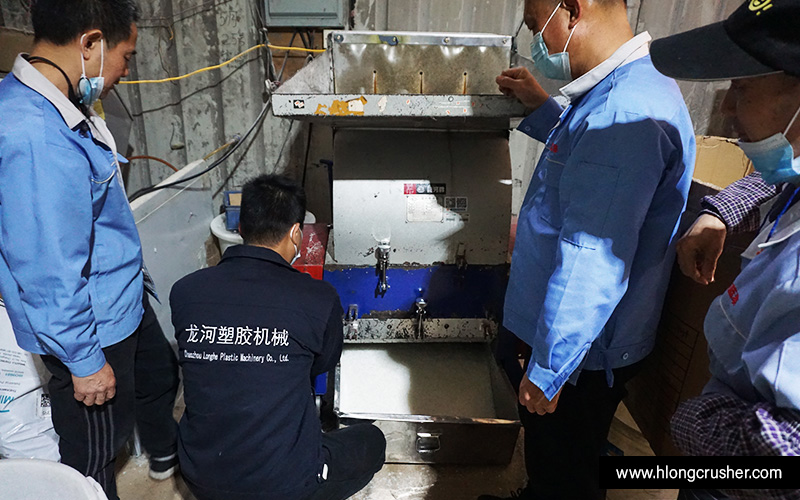
1. Immediate Actions:
Stop the Machine: Clear any materials from the shredder to prevent further issues.
Check Rotation: Ensure the rotation direction is correct to avoid operational problems.
Assess Force: Observe the rotation force; irregularities could indicate internal issues.
2. Detailed Examination:
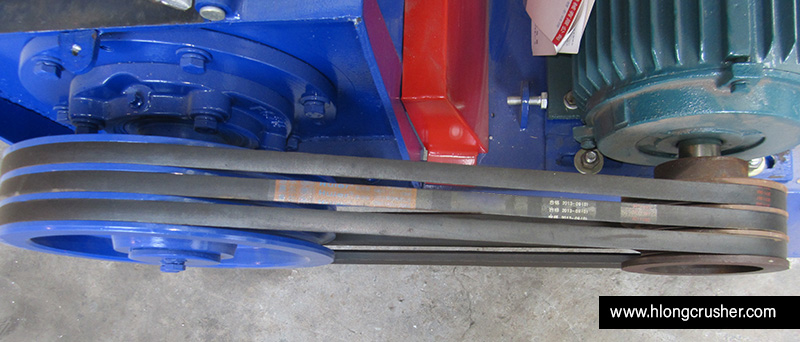
Inspect the Belt: Tighten, adjust, or replace as necessary to maintain proper function.
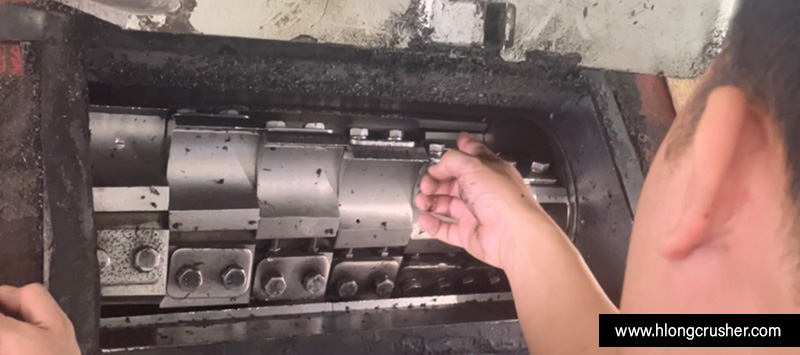
Examine Blades and Screens: Sharpen dull blades and adjust gaps. Ensure screens are clean and appropriately sized.
3. Address Specific Problems:
Electrical Issues: Incorrect Wiring-Swap phase wires to correct rotation.
Belt Problems: Loose or Worn Belts-Tighten or replace to ensure efficient operation.
Blade Issues: Dull or Improperly Gapped Blades-Regularly sharpen and adjust blade gaps to improve cutting efficiency.
Screen Problems: Clogged or Small Mesh Screens-Clean or replace screens to enhance material flow and output.

Preventive Measures
1. Regular Maintenance:
Perform routine checks on belts, blades, and screens to prevent major issues.
Choose the right shredder model based on material and operational needs.
Ensure the shredder is stored in a dry, ventilated area to avoid corrosion and other environmental damage.
2. Professional Handling:
For complex issues, always consult professional technicians to avoid accidents and ensure safety.
Conclusion:
By following a systematic troubleshooting approach, you can quickly identify and resolve common issues in plastic shredders. Regular maintenance and professional handling will ensure optimal performance and extend the equipment’s lifespan.
Choose Longhe Machinery for High-Quality Plastic Equipment and Comprehensive Service.


